NEWGEN 302
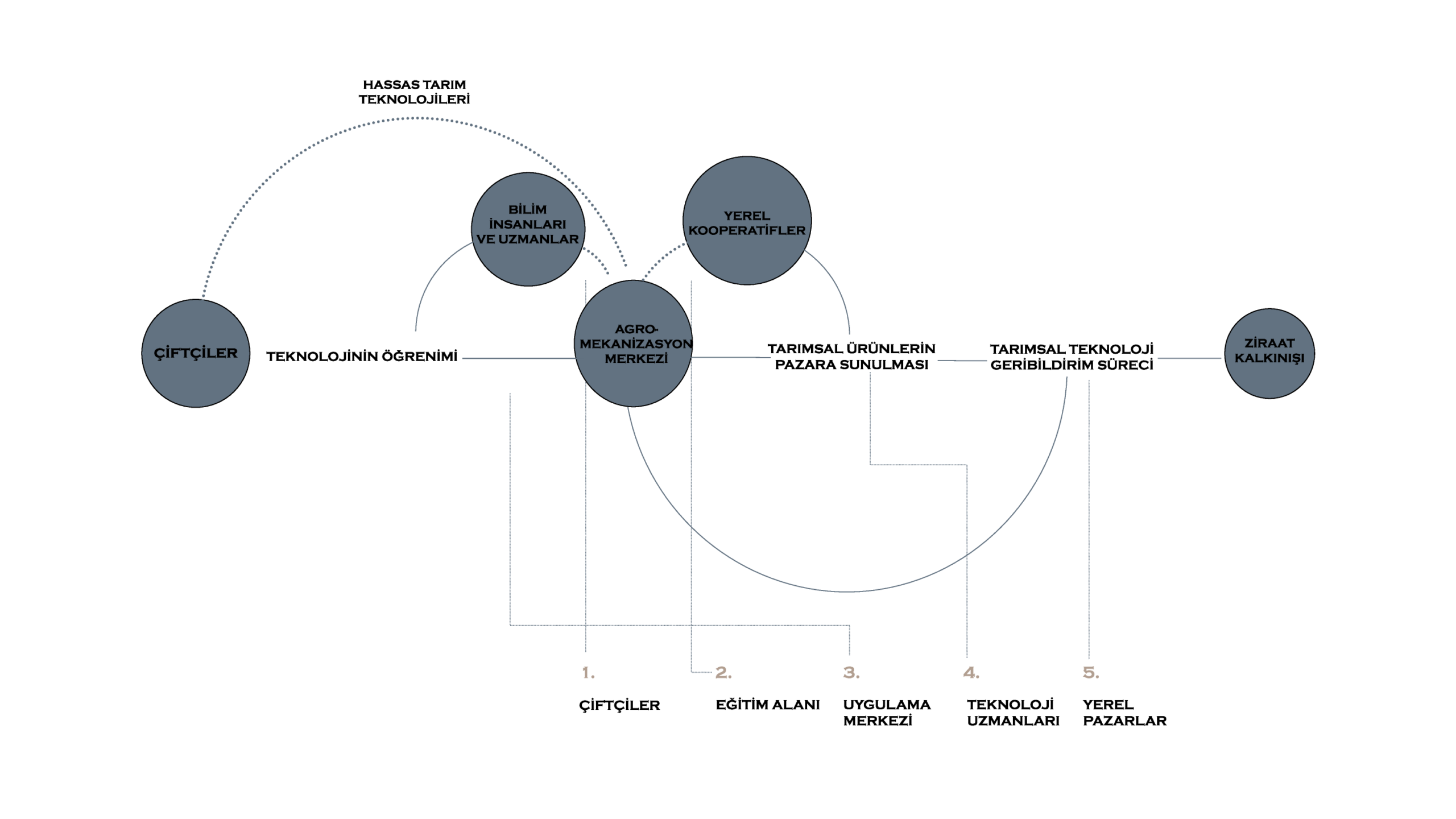
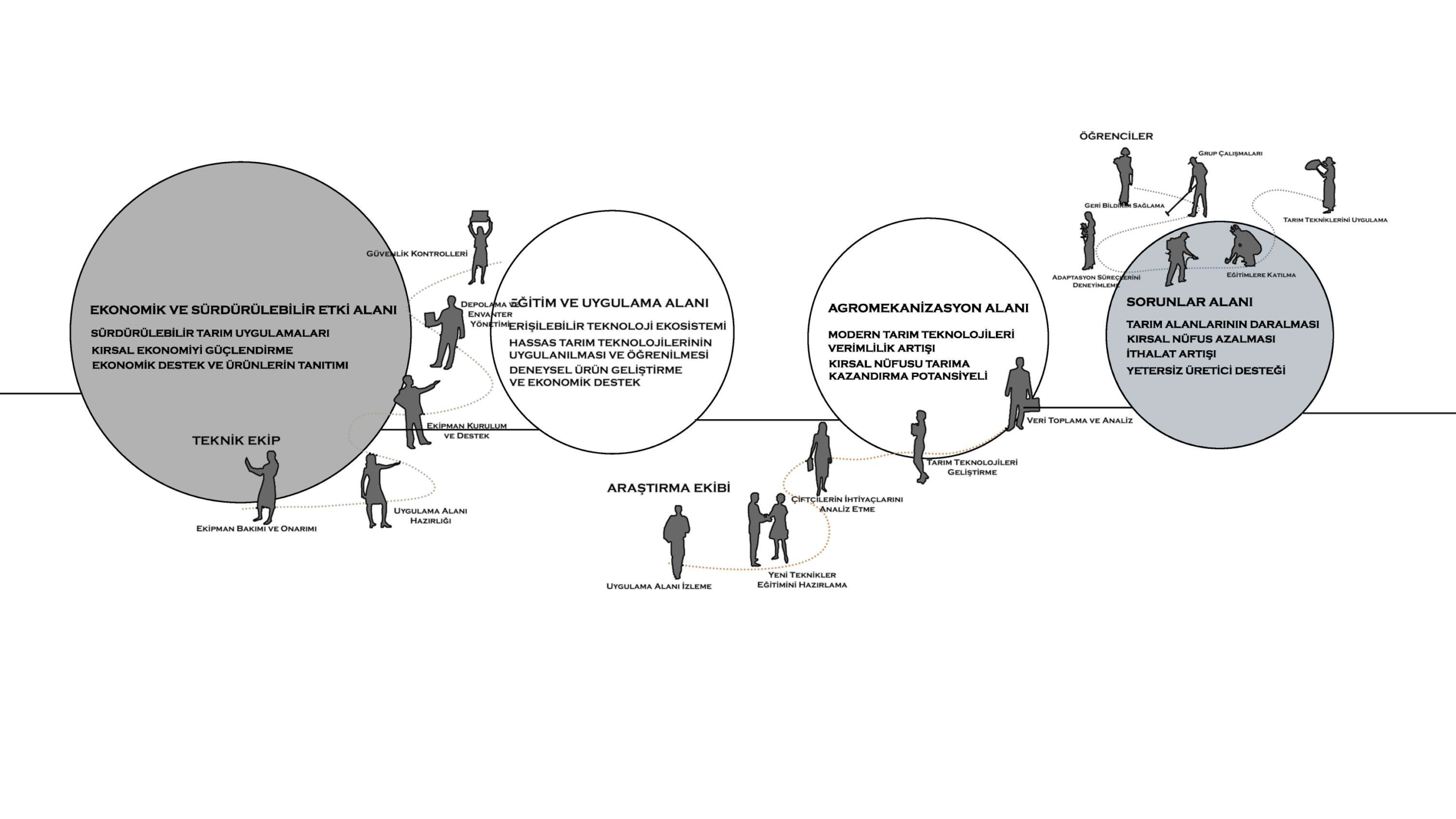
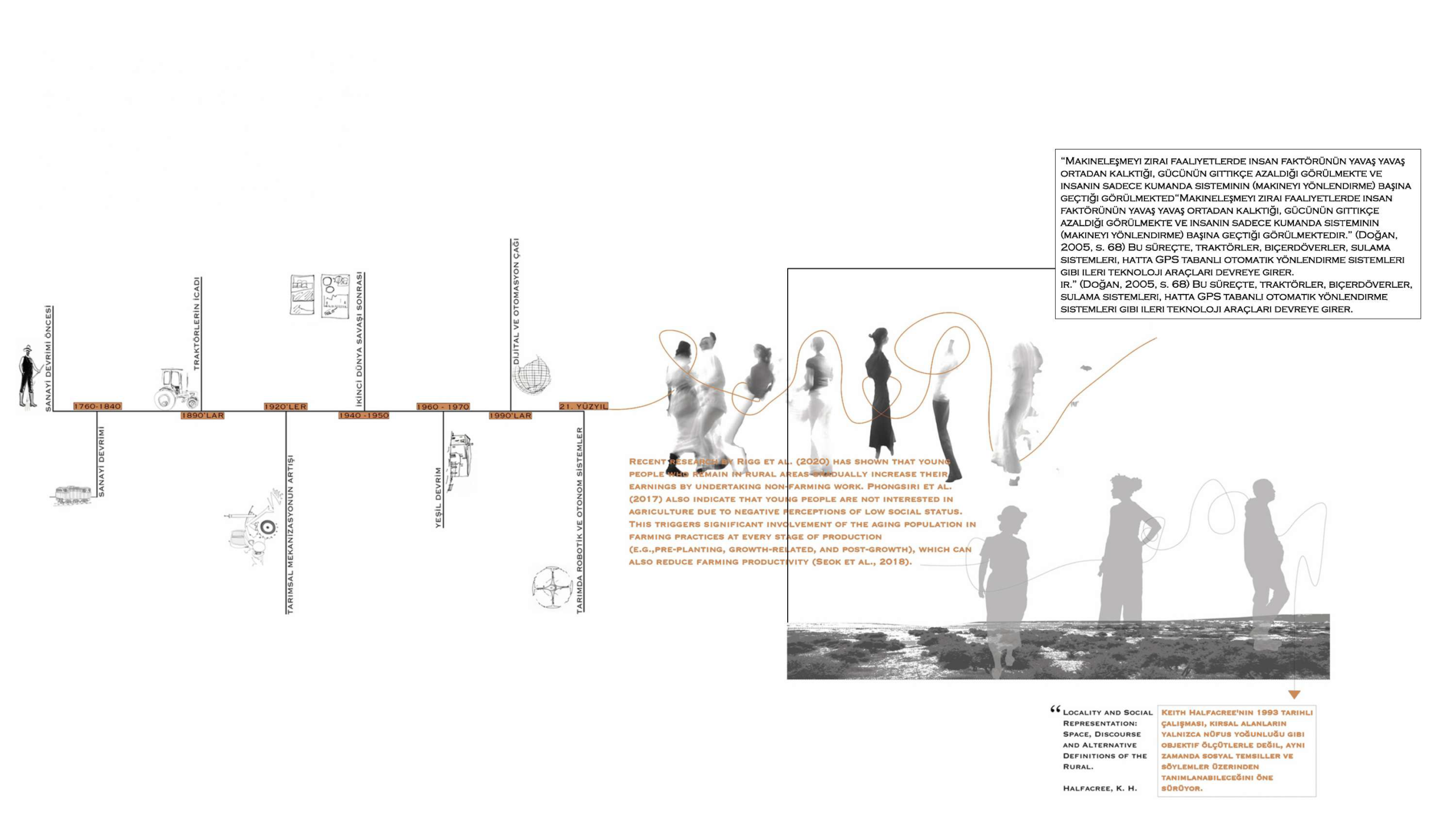
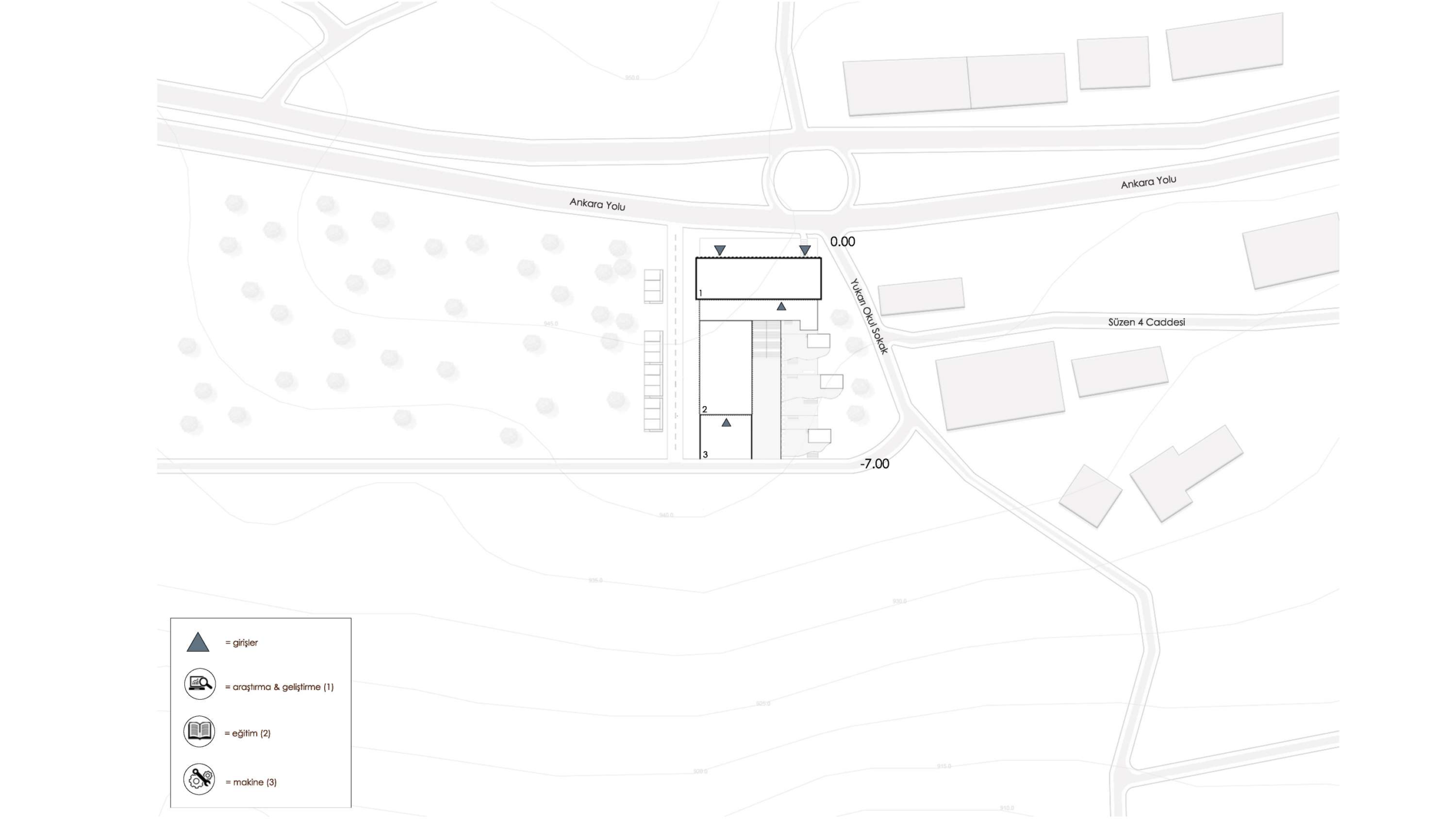
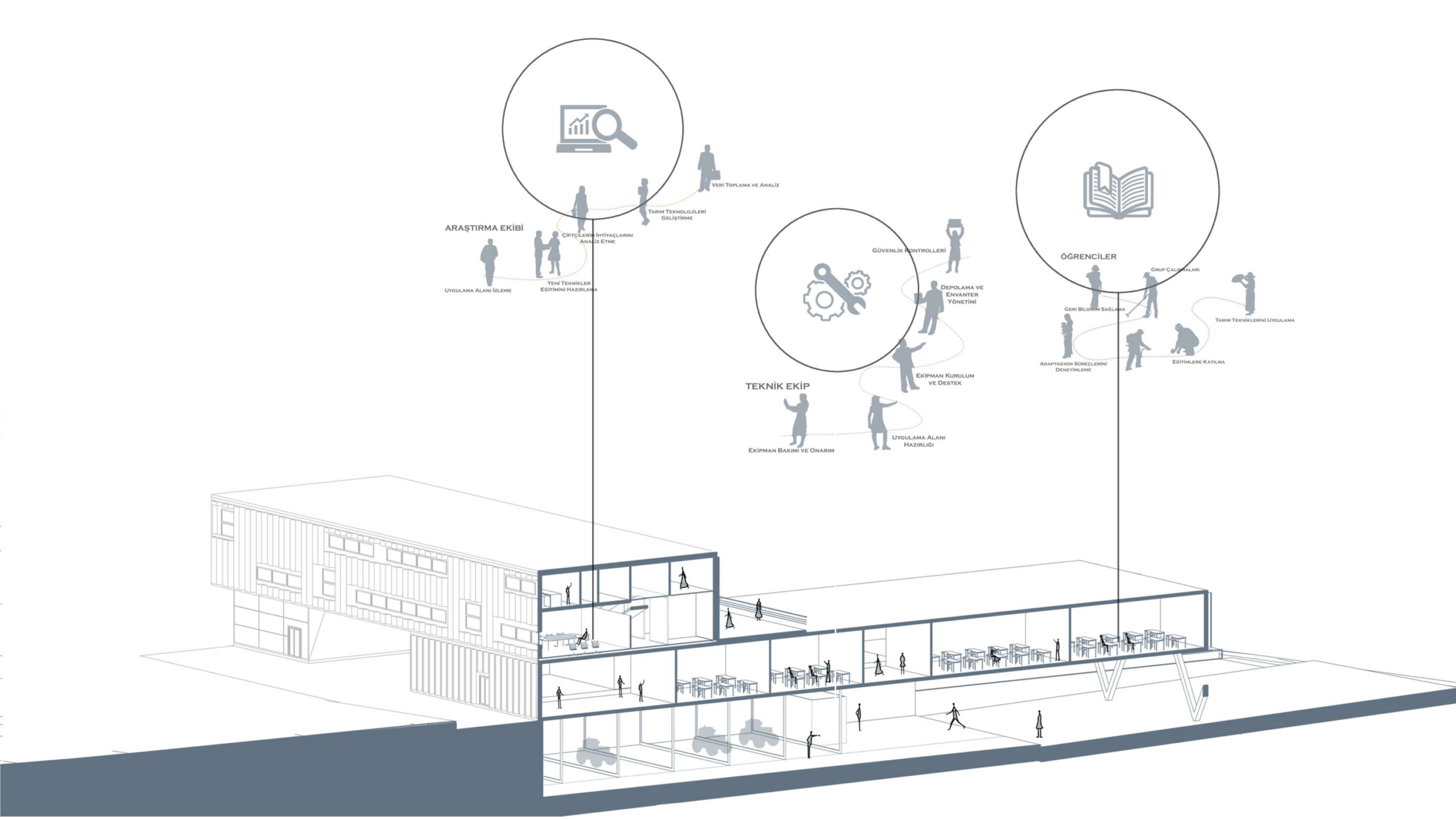
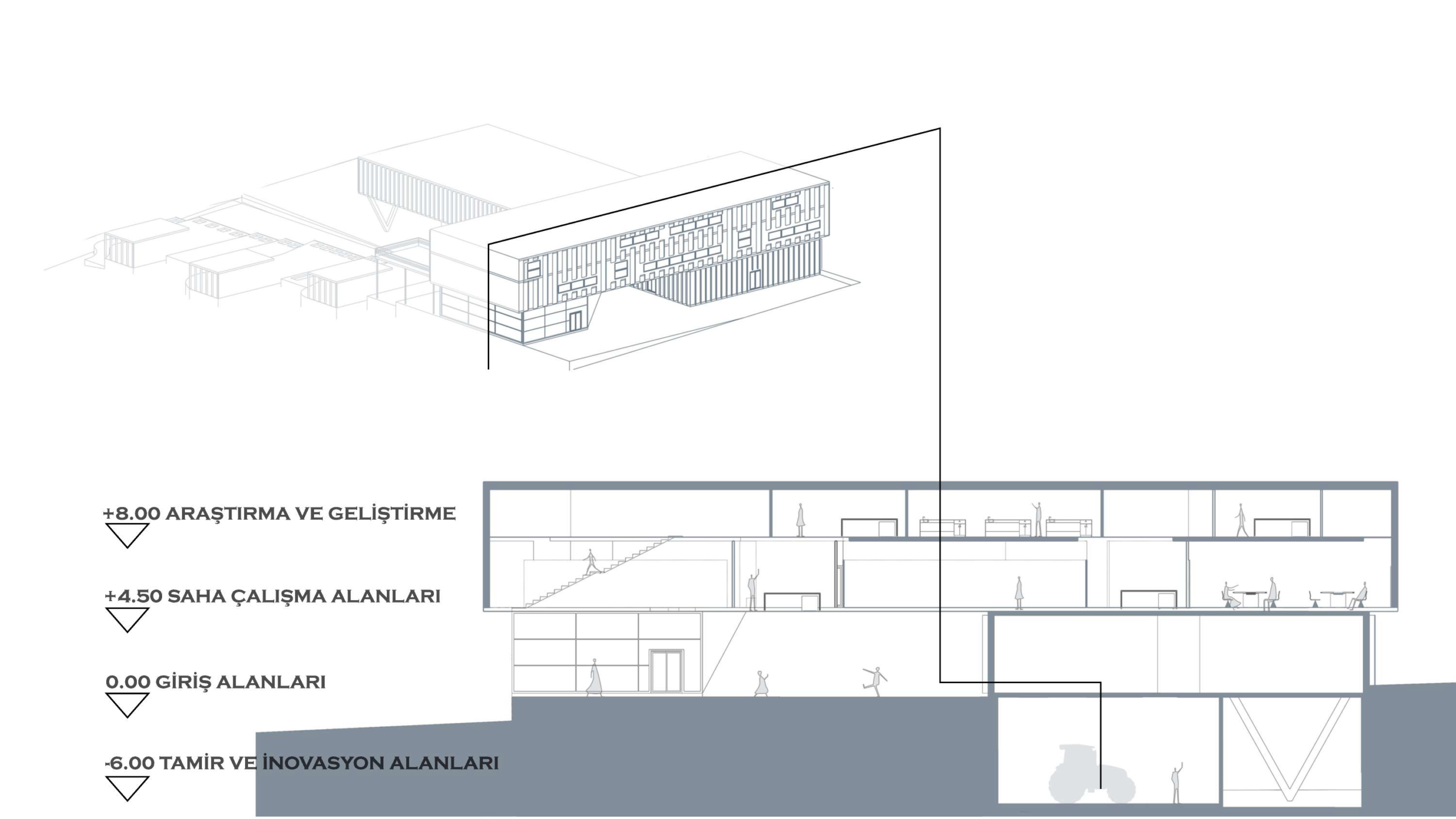
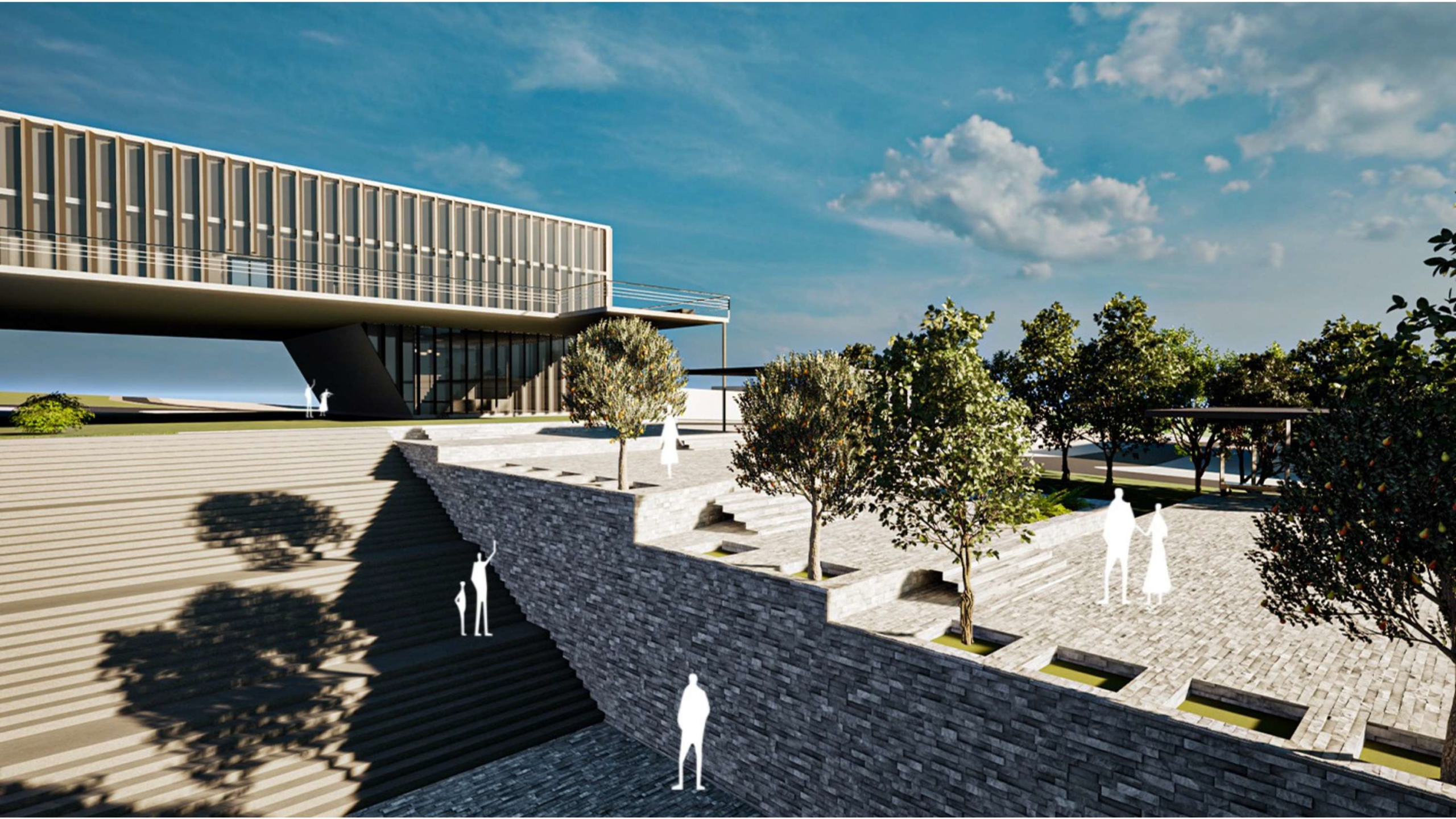
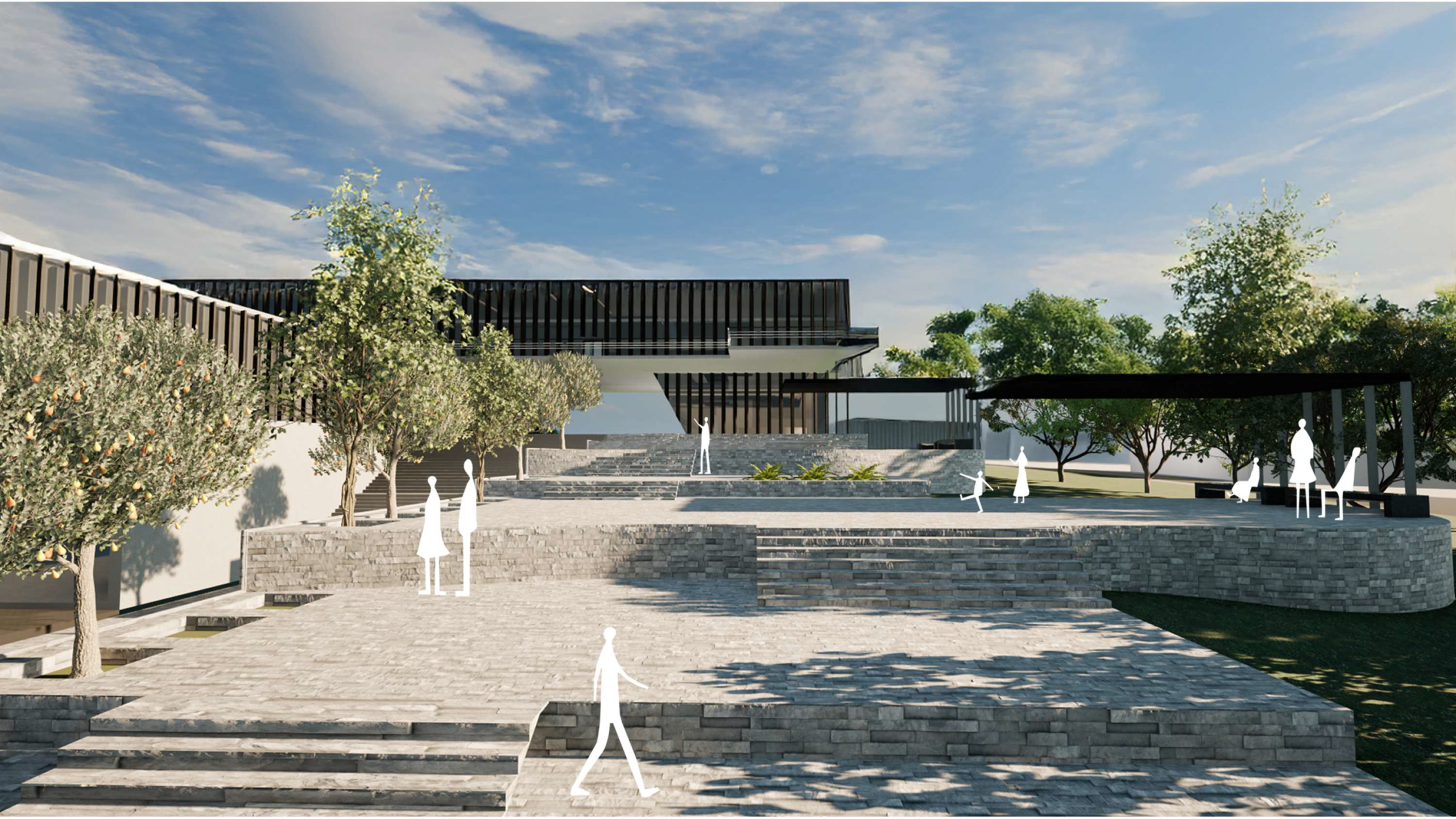
This project explores the spatial dimensions of agricultural mechanization through a contemporary design approach, proposing an innovative agricultural center that balances functionality, sustainability, and aesthetic value. The design is structured around three main axes—research and development, education, and mechanization—forming the core framework of the project.
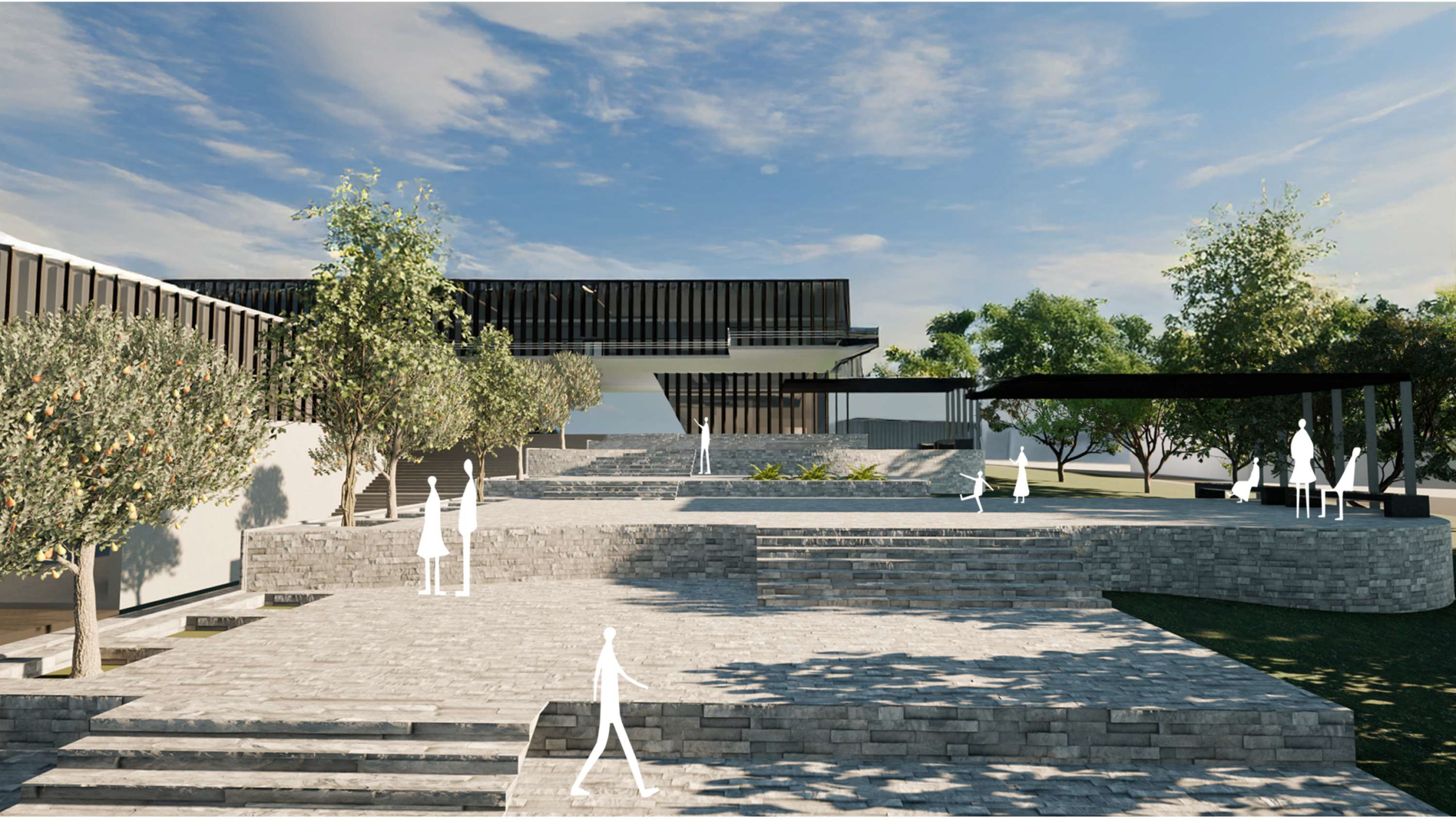
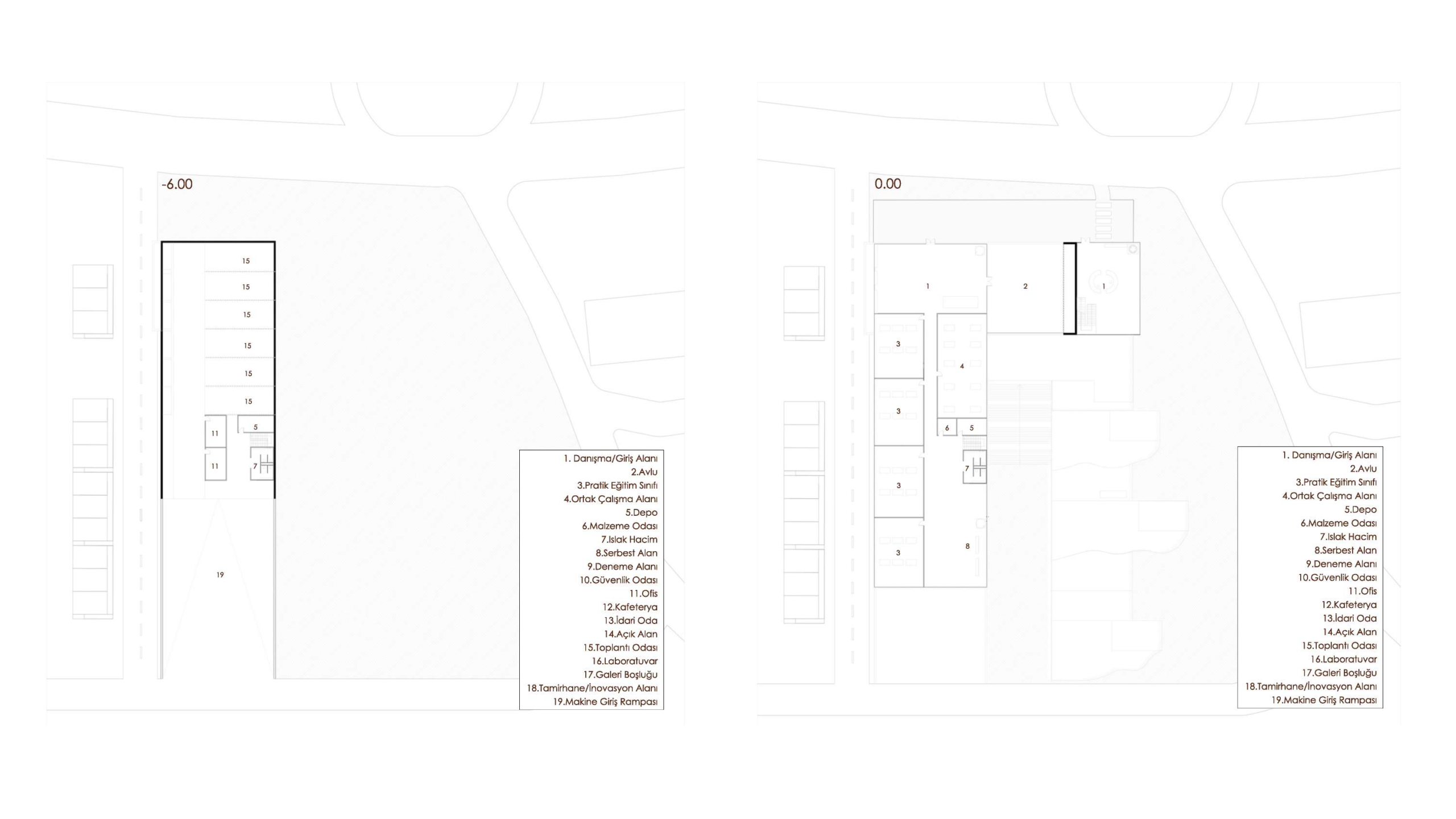
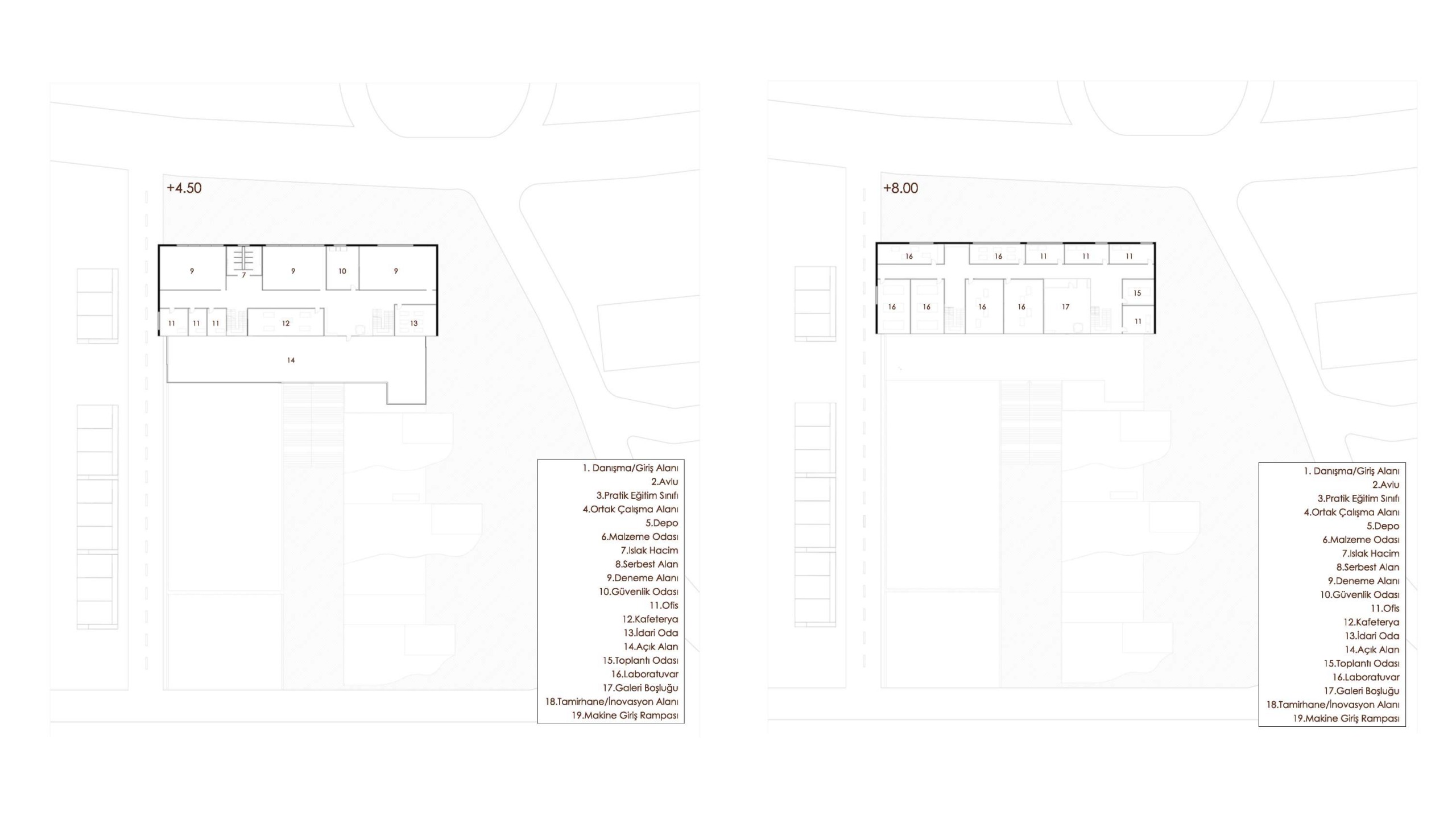
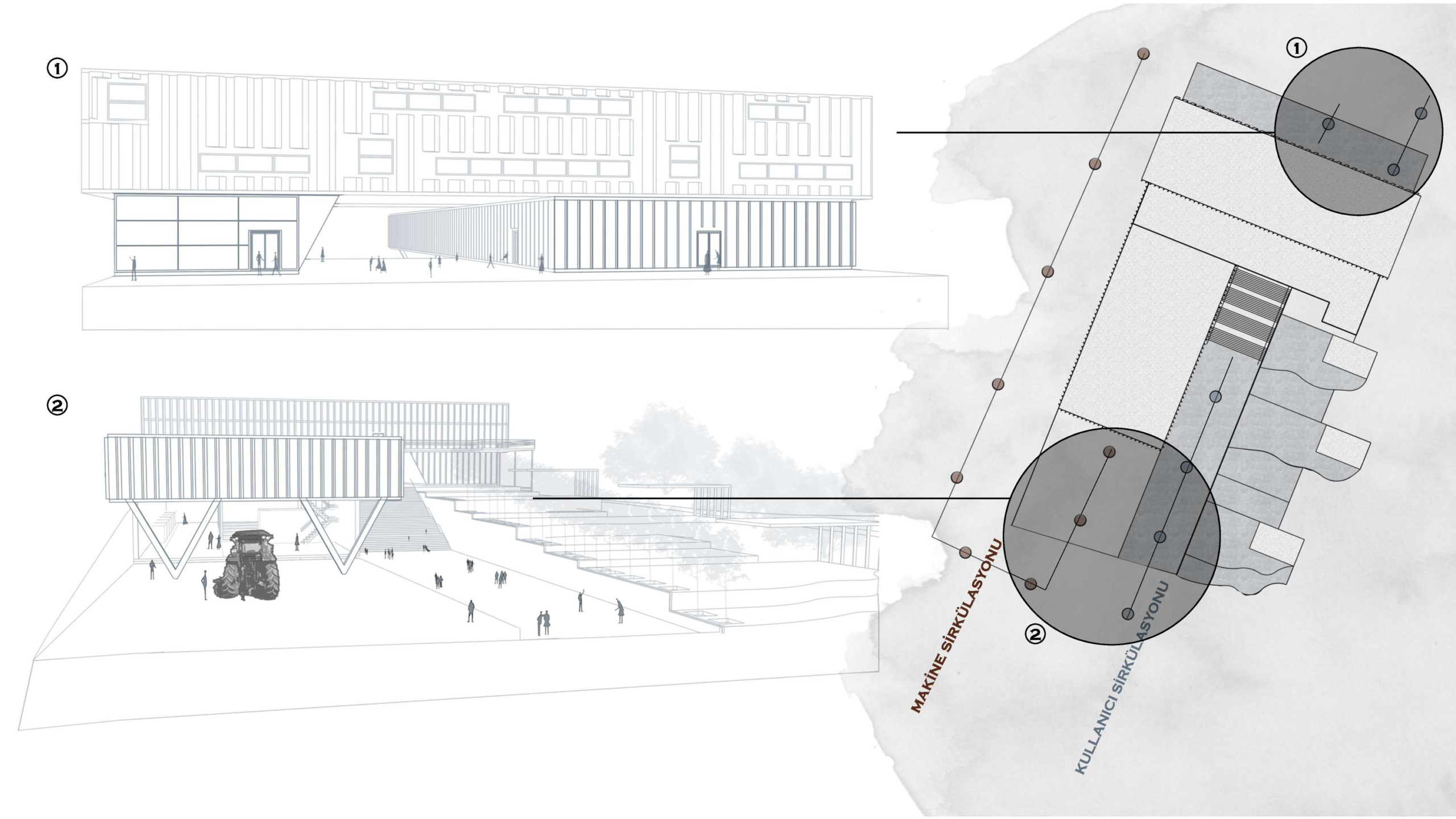
The layout is organized around a central courtyard that acts as the focal point, enhancing both social interaction and spatial continuity. Surrounding structures are arranged to ensure clear circulation, accessibility, and functional efficiency. Research areas include laboratories for advancing agricultural technologies, while educational spaces are designed flexibly to accommodate different learning scenarios. Mechanization units consist of large-scale workshops and areas for equipment maintenance and production.
Throughout the design, emphasis is placed on achieving a balance between functionality and spatial quality. Open spaces maximize natural light, and the architectural system integrates seamlessly with the surrounding environment.
Materials
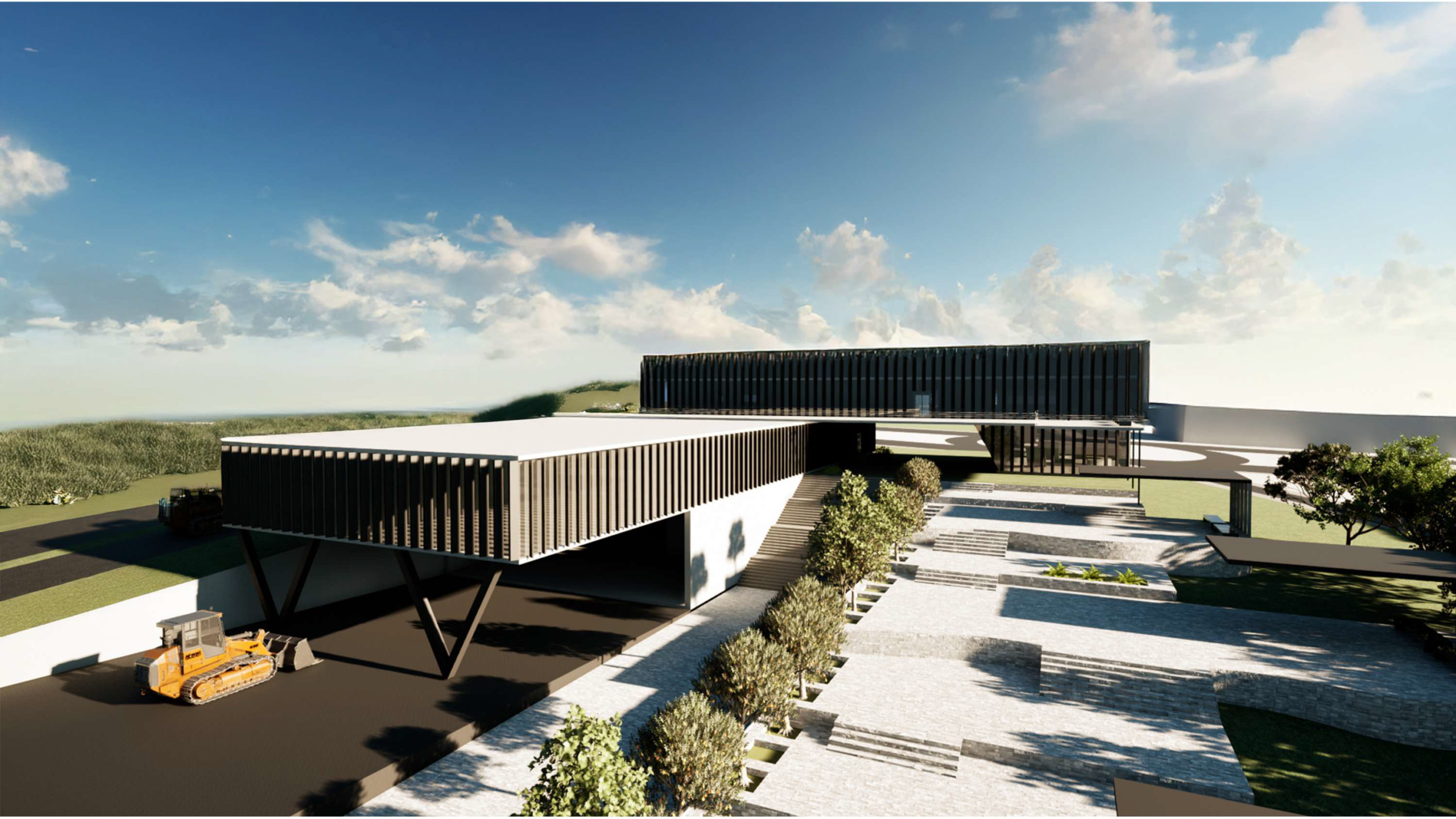
The material palette combines steel, glass, and stone. Vertical steel sunshades control direct sunlight while creating rhythm and depth on the façade. Glass surfaces strengthen the visual connection between interior and exterior, while stone supports the building’s relationship with the landscape.
Project Description